In today’s rapidly evolving food logistics landscape, pallet freezer spacers have emerged as a vital innovation within the Australian food supply chain. These spacers, designed to optimise airflow and enhance freezing efficiency, play a significant role not only in operational effectiveness but also in reducing environmental footprints. As sustainability becomes a non-negotiable priority in the global food industry, understanding how pallet freezer spacers contribute to greener cold storage solutions in Australia is essential.
Enhancing Energy Efficiency in Australian Cold Storage
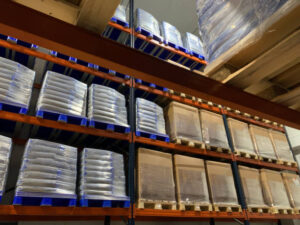
Pallet freezer spacers impact in the food supply chain
One of the most direct environmental benefits of pallet freezer spacers lies in their capacity to improve energy efficiency within freezer rooms. By creating strategic gaps between stacked pallets, these spacers facilitate better cold air circulation, ensuring uniform and faster freezing of food products. This optimised airflow reduces the workload on refrigeration systems, leading to lower energy consumption.
In a country like Australia, where energy costs are notably high and the environmental push for renewable energy is growing, reducing energy demand in cold storage warehouses offers dual benefits: cost savings and a smaller carbon footprint. Facilities equipped with pallet freezer spacers have reported energy savings of up to 20%, a significant reduction that translates to fewer greenhouse gas emissions and aligns with Australia’s national emissions reduction targets.
Reducing Food Waste Through Improved Product Quality
Food waste is a critical environmental issue worldwide, and Australia is no exception. Inefficient freezing often leads to uneven temperatures, causing spoilage or freezer burn that compromises food quality. Pallet freezer spacers contribute to more consistent freezing, which helps preserve the integrity and shelf life of perishable goods.
By minimising spoilage, these spacers indirectly reduce the volume of food wasted during storage and transport. This effect is particularly important in Australia’s geographically vast landscape, where food often travels long distances from farms to urban centres. Less waste means fewer resources — water, energy, and labour — are squandered, supporting more sustainable food production and consumption cycles.
Material Choices and Their Environmental Footprint
While pallet freezer spacers offer clear operational benefits, their environmental impact also depends on the materials used in their production. In Australia, there is a growing shift towards spacers made from recycled or recyclable plastics and sustainable wood sources. Using recycled materials helps reduce reliance on virgin plastics, curtails landfill waste, and lowers the embodied carbon in manufacturing.
Moreover, manufacturers increasingly design spacers to be durable and reusable, extending their lifecycle and reducing the frequency of replacements. This approach aligns with the circular economy principles that Australian industries are progressively adopting to minimise environmental harm.
Supporting Australia’s Sustainability Goals in Food Logistics
The Australian government and industry stakeholders have set ambitious sustainability targets across the food supply chain, including reducing energy consumption, waste, and carbon emissions. Incorporating pallet freezer spacers into cold chain operations supports these goals by addressing critical inefficiencies in freezing processes.
In addition, these spacers contribute to the broader push for greener cold chain logistics by enabling facilities to maintain optimal temperatures with less energy input. This progress is crucial as Australia continues to expand its export markets for perishable food products, where international buyers increasingly demand sustainable sourcing and handling practices.
Challenges and Future Innovations
Despite their advantages, challenges remain in maximising the environmental benefits of pallet freezer spacers. One issue is the lack of standardisation in spacer design, which can lead to compatibility problems and inefficiencies. Australian companies and research institutions are actively exploring innovative spacer designs that further enhance airflow while using eco-friendly materials.
Emerging technologies such as smart spacers embedded with sensors could provide real-time monitoring of temperature and humidity, enabling even finer control over freezing conditions. Such innovations promise to reduce energy use further and cut waste, reinforcing Australia’s leadership in sustainable food supply chains.
Conclusion: Pallet Freezer Spacers as a Green Solution
Pallet freezer spacers are more than just a practical tool for improving freezer room efficiency—they are a crucial component in the sustainable transformation of Australia’s food supply chain. By enabling energy savings, reducing food waste, and promoting the use of sustainable materials, these spacers help minimise the environmental impact of cold storage operations.
As Australia intensifies its commitment to environmental stewardship, pallet freezer spacers will remain a key technology in achieving greener, more efficient food logistics. Industry collaboration, innovation, and responsible material sourcing will further unlock their potential, ensuring that the country’s food supply chain can meet both economic and ecological demands for years to come.