Finding the right foiling board setup is essential to ensure a safe, smooth, and enjoyable foiling experience in New Zealand—whether you’re a beginner or a seasoned rider. The perfect setup will depend on your skill level, riding style, body weight, and preferred foiling conditions. In this guide, we’ll break down the key components to consider when selecting a foiling board setup that matches your abilities and goals.
Understanding the Foiling Board Setup
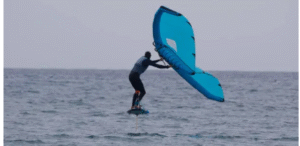 A complete foiling board setup typically includes four main components:
- The foil board (the deck you stand on)
- The mast (connects the board to the foil)
- The fuselage and wings (the hydrofoil that lifts the board)
- Optional foot straps or bindings
Each of these parts plays a critical role in your performance and learning curve. Choosing the right combination can make the difference between struggling and soaring.
Beginner Foiling Board Setup: Stability is Key
If you’re new to the world of foiling, your primary focus should be stability, control, and ease of use. Here’s what to look for in a beginner setup
1. Board Size
Choose a larger, higher-volume board that offers better stability and floatation. A board with a volume of 100–120 litres is ideal for most adult beginners, depending on your body weight.
2. Mast Length
A shorter mast (around 60–75 cm) is best for learning. It keeps you closer to the water, making it easier to balance and reducing the impact of falls.
3. Front Wing
Opt for a larger front wing (around 1500–2000 cm²) that provides lift at lower speeds. It allows you to get up on foil more easily and ride at slower, more manageable speeds.
4. Construction
Durability matters when learning. Look for a robust board that can withstand frequent contact with water and the ground, especially in shallow areas.
Intermediate foiling board setup: Finding Your Style
Once you’re comfortable with the basics, it’s time to tailor your foiling board setup to your evolving skills and preferred foiling discipline—be it surf foiling, wing foiling, or downwind riding.
1. Board Size
You can size down to a medium-volume board (70–100 litres) for more responsiveness while maintaining a stable platform.
2. Mast Length
Upgrade to a longer mast (75–85 cm) to allow for better carving and to stay above choppy water.
3. Front Wing
Select a mid-sized front wing (1,200–1,500 cm²) for improved maneuverability and speed. You may also consider swapping wings depending on wave size or wind conditions.
4. Tail Wing and Fuselage
It is the stage where you can start experimenting with tail wings and fuselage lengths to fine-tune your ride. Shorter fuselages offer quicker turns, while longer ones provide more pitch stability.
Advanced Foiling Board Setup: Performance and Precision
Advanced riders aim for maximum performance, agility, and speed. At this stage, your foiling board setup should be dialled into your exact preferences.
1. Board Size
Advanced riders often use low-volume boards (40–70 litres) that are lighter, faster, and more responsive. These boards require precise balance and technique.
2. Mast Length
Opt for a mast 85–100 cm long, especially for high-speed riding and open-water foiling. It offers better clearance from chop and improves turning angles.
3. High-Aspect Wings
Switch to high-aspect wings for speed and glide efficiency. These wings are narrower but offer less drag and better pumping performance.
4. Custom Tuning
At this level, even minor adjustments—like the shimming of your tail wing or the angle of your foil—can make a big difference. Track mounting systems allow fine-tuning of foil position under the board for optimised performance.
Other Factors to Consider
While skill level is the foundation, other factors also influence your ideal foiling board setup:
Body Weight
Heavier riders may need slightly larger boards and wings for sufficient lift and floatation. Lighter riders can downsize sooner.
Riding Conditions
Choppy waters and strong winds require more stability, while calm waters allow for more agility-focused setups.
Foiling Discipline
Whether you’re into surf foiling, wake foiling, wing foiling, or downwind runs, each discipline benefits from specific board and foil configurations.
Conclusion: Match Your Setup to Your Progression
Choosing the perfect foiling board setup is all about matching your equipment to your current abilities while leaving room to grow. As you advance, your needs will change, and so should your gear. Start with a forgiving setup and gradually transition to performance-focused components. Don’t be afraid to ask for expert advice or test different configurations to find what works best for your style.
Whether you’re gliding over gentle swells or carving aggressive turns, the right foiling board setup will elevate your ride—literally and figuratively.