Suppose you’re planning a home renovation in Adelaide, installing a new appliance, or simply concerned about the electrical safety of your property. In that case, it might be time to take a closer look at your consumer mains and sub-mains. These critical components of your electrical system ensure your power supply is distributed efficiently and safely throughout your property. But how do you know if it’s time for an upgrade?
In this article, we’ll walk you through what consumer mains and sub-mains are, the common signs that they may need upgrading, and why staying proactive can save you from costly and dangerous electrical issues down the track.
What Are Consumer Mains and Sub-Mains?
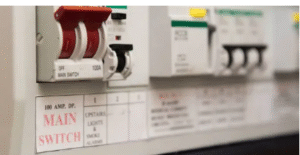 Consumer mains are the main electrical cables that run from the property boundary (or power pole) to your main switchboard. They are responsible for bringing electricity into your home or building from the network provider.
Sub-mains, on the other hand, are secondary cables that run from your main switchboard to other distribution boards in your property, such as in a granny flat, garage, or multi-storey level. They ensure that power is effectively delivered to all areas of your property beyond the main switchboard.
Both consumer mains and sub-mains play a vital role in ensuring your home or building has a safe and efficient electrical setup.
Signs You Need to Upgrade Your Consumer Mains and Sub-Mains
Upgrading your consumer mains and sub-mains isn’t something you do regularly, but there are clear signs that it might be necessary:
1. Frequent Power Outages or Tripping Circuits
If your breakers are constantly tripping or you’re experiencing frequent power outages, it could be a sign that your consumer mains are no longer able to handle the electrical load of your property. It is especially common in older homes that weren’t designed for today’s energy demands.
2. Renovations or Home Extensions
Planning a major renovation, adding a new room, or building a detached unit like a granny flat? These changes typically result in increased electrical demand.
3. Installing High-Powered Appliances
If you’re installing a pool, air conditioning system, electric vehicle charger, or even a large oven, you’ll likely need more power than your current setup provides. Upgrading your consumer mains and sub-mains will help ensure stable and safe delivery of electricity without overloading your existing wiring.
4. Overheating Switchboards or Cables
Do you notice heat coming from your switchboard or a burning smell near your electrical panels? It can indicate overloading or deterioration in the consumer mains or sub-mains, which could pose a fire hazard and should be addressed immediately.
5. Outdated Wiring
Many older properties still have outdated or undersized consumer mains and sub-mains that do not meet modern standards. If your home is over 30 years old and hasn’t had an electrical upgrade, it’s wise to have a licensed electrician assess your wiring.
Why Upgrading Consumer Mains and Sub-Mains Matters
Safety is the most important reason to upgrade your consumer mains and sub-mains. Old or undersized cables can overheat, leading to fires, electrical faults, or system failures.
Upgrades also provide:
- Improved efficiency: Reduced voltage drop and better power distribution.
- Compliance with regulations: Meeting Australian Standards and avoiding penalties.
- Future-proofing: Ensuring your system can accommodate future technological upgrades, such as solar power or electric vehicle (EV) charging.
- Increased property value: A modern, safe electrical system is a significant advantage for both homebuyers and renters.
What’s Involved in the Upgrade Process?
Upgrading consumer mains and sub-mains is not a DIY job. A licensed electrician must carry it out, and in many cases, it requires coordination with your local energy provider.
Here’s what the process typically involves:
- Assessment: Your electrician will inspect your current mains, sub-mains, and switchboards to determine their capacity and condition.
- Load calculation: They’ll determine your current and future energy needs to select the appropriate cable size and circuit protection.
- Upgrading: Installation of new consumer mains and/or sub-mains, often including new switchboards, safety switches, and circuit breakers.
- Testing and compliance: Final testing to ensure your system complies with Australian standards and is safe to operate.
Final Thoughts
Your consumer mains and sub-mains are the lifelines of your electrical system. If they’re outdated, damaged, or undersized, your entire property could be at risk—not just of inconvenience but of serious safety hazards.
If you’ve noticed warning signs like flickering lights or circuit overloads, or if you’re planning any major upgrades or extensions, don’t ignore the possibility that your consumer mains and sub-mains need attention. Contact a licensed electrician in Adelaide to assess your setup and recommend the right course of action.