Intervertebral Disc Disease (IVDD) is a common spinal condition that affects many dogs, particularly in breeds like Dachshunds, Beagles, and Cocker Spaniels. While the idea of surgery can be daunting for pet owners, it’s important to understand that IVDD in dogs treatment doesn’t always require surgical intervention. In fact, many dogs living in places like Portland, Oregon, can recover and live full lives through conservative, non-surgical methods. This article explores when surgery may not be necessary and what alternatives are available in the Portland area.
Understanding IVDD: What Happens to the Spine?
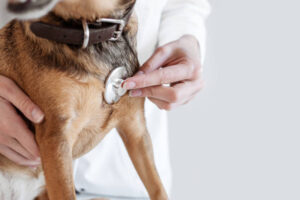
Surgery may not be necessary for dogs with IVDD
IVDD occurs when the discs that cushion the vertebrae in a dog’s spine begin to degenerate or rupture. This can lead to pain, nerve damage, and in more severe cases, paralysis. However, the severity of symptoms plays a major role in determining the most appropriate treatment plan.
In Portland, where access to veterinary neurologists and advanced imaging is readily available, early and accurate diagnosis helps pet owners avoid unnecessary procedures. The key is understanding which cases are mild enough to benefit from non-surgical options.
When Conservative Management Is the Right Choice
Surgery is typically recommended for dogs that have severe neurological deficits, such as complete paralysis or a lack of deep pain sensation. But when a dog presents with mild to moderate symptoms—such as pain, reluctance to jump, or wobbliness—IVDD in dogs treatment can often be approached conservatively.
In Portland, many veterinary clinics offer structured conservative treatment plans, which usually include:
- Strict crate rest (usually 4–6 weeks)
- Anti-inflammatory medications (NSAIDs or corticosteroids)
- Pain control
- Muscle relaxants
- Physical therapy
This approach gives the spine time to heal and inflammation to subside. Portland-based veterinary professionals emphasise that compliance with rest and medication protocols is crucial for success. Dogs that are not allowed to rest adequately may worsen and eventually require surgery.
Holistic and Physical Therapy Options in Portland
Portland is known for its progressive approach to animal health, and many clinics offer integrative therapies to enhance conservative management. These include:
- Acupuncture
- Laser therapy
- Hydrotherapy
- Chiropractic adjustments
- Therapeutic exercise programs
These therapies can reduce pain and inflammation, improve mobility, and prevent muscle atrophy while your dog recovers. When incorporated correctly, they can significantly boost the success rate of non-surgical IVDD recovery. As a result, IVDD treatment in dogs in Portland often includes referrals to canine rehabilitation centres that specialise in these modalities.
Factors That Suggest Surgery May Not Be Needed
Veterinarians in Portland consider several factors when recommending against surgery:
- Neurological Status: If the dog can still walk, even wobbly, conservative treatment is usually the first line of care.
- Response to Medication: Dogs that show improvement with rest and medication within the first week are good candidates for continued non-surgical care.
- Overall Health: Senior dogs or those with other medical concerns may not be good surgical candidates.
- Financial Constraints: While cost shouldn’t dictate care alone, Portland clinics are mindful of affordability and often provide excellent non-surgical alternatives.
Monitoring and Follow-Up Are Essential
Regardless of whether surgery is pursued, monitoring your dog’s progress is essential. In Portland, routine follow-ups may include neurological exams and mobility assessments by your veterinarian or rehabilitation therapist. If symptoms worsen or do not improve, reevaluation is necessary, and surgery may still be considered.
The goal is always to ensure the best quality of life for the dog. That means tailoring IVDD in dogs treatment to the individual pet’s needs, lifestyle, and health status.
Final Thoughts: Trust the Process, Not Just the Procedure
For many pet owners in Portland, Oregon, the thought of their dog undergoing spinal surgery is overwhelming. Thankfully, not every case of IVDD leads down that path. Conservative management, when done correctly and monitored closely, can be just as effective, especially in mild to moderate cases.
The Portland veterinary community provides robust support for pet owners pursuing non-surgical options, offering modern diagnostic tools, progressive therapies, and rehabilitation services. By partnering with skilled professionals and committing to a structured recovery plan, many dogs can bounce back without ever going under the knife.
If your dog has been diagnosed with IVDD, don’t panic. Talk to your veterinarian about whether conservative management could be right for your pet. With the right care, your dog can live a happy, active life—even without surgery.